
Not every phone number that looks real can be real. Some are reserved for movies, some violate the mathematical rules of the numbering plan, and some sit on prefixes that were never issued to any carrier — meaning they cannot ring a single telephone anywhere on earth. A fake number checker sorts the dialable from the impossible in one click, which is surprisingly useful when a callback number feels off, a marketplace seller's "business line" never picks up, or a text claims to be your bank with a number to call. This free tool runs three independent tests against the same NANPA records carriers use, and tells you exactly why a number failed.
The three tests this checker runs
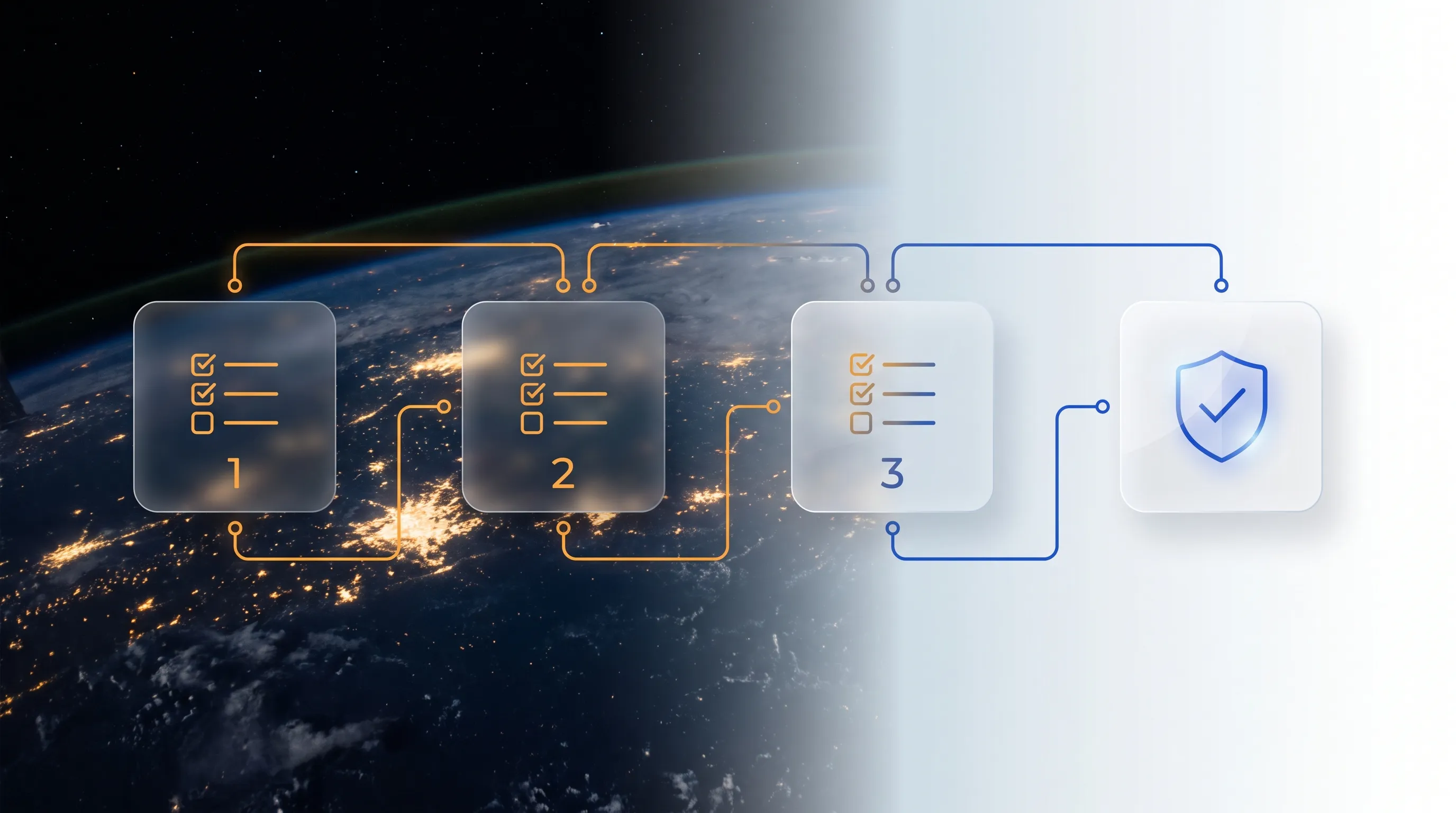
Every number you enter is checked against three independent standards, from cheapest to run to most authoritative. Failing any one of them means the number cannot be a real, dialable US or Canadian number.
- Fictional range. Is the number inside the
XXX-555-0100toXXX-555-0199band that NANPA reserves for movies, television and advertising? Real subscribers are never issued these — they exist so scripts don't ring real homes. - Structural rules. Does it obey the North American Numbering Plan's mathematics: exactly ten digits, with both the area code and the prefix starting 2–9? A violation here is impossible to dial, full stop — no switch will route it.
- Assignment check. Does the NPA-NXX (area code plus prefix) actually exist in NANPA's current assignment file of over 200,000 active prefixes? A structurally valid number on an unassigned prefix passes the first two tests but still cannot ring anywhere — a favorite of fake ads, phishing texts and neighbor-spoofed caller IDs precisely because it looks legitimate.
Fictional numbers: the story of 555
The reason "555" feels instantly fake is a genuine piece of telecom history. For decades, film and television productions grabbed whatever phone numbers fit the scene, and real people whose numbers appeared on screen were harassed by viewers dialing them — sometimes for years. The 555 prefix had long been associated with directory assistance (555-1212) and was seen as "safe," so productions gravitated to it. But even 555 numbers were assigned to real services, so misuse continued.
In the 1990s, NANPA formally resolved the problem by carving out a specific, permanent fiction range: 555-0100 through 555-0199. These hundred numbers, in every area code, are guaranteed never to reach a real subscriber. Every phone number in a film or TV script since then lives in that band — which is why a sharp-eyed viewer can spot a movie number instantly. If someone hands you a 555-01XX number as a real contact, you are being quoted a prop. This checker flags them automatically. Note the common myth: not all 555 numbers are fake — only the 0100–0199 sub-range. 555-1212 remains directory assistance.
Impossible numbers: breaking the plan's rules
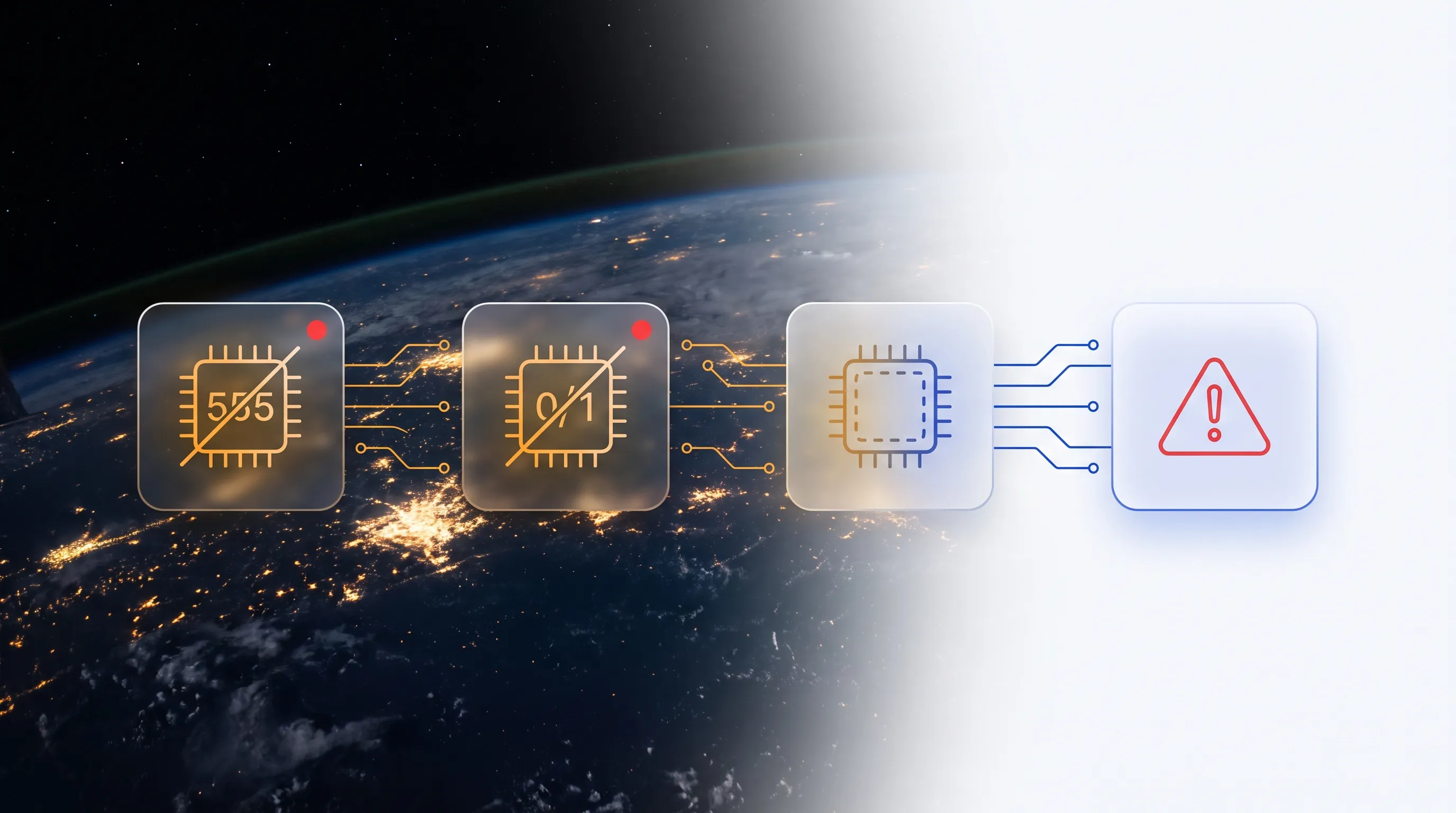
The North American Numbering Plan is built on a small set of hard structural rules, and any number that breaks them is impossible to dial — no telephone switch anywhere will route it. The rules that matter for spotting fakes:
- Ten digits. A US/Canada number is exactly ten digits (area code + prefix + line). Nine or eleven digits (after stripping a leading country-code 1) is impossible.
- Area code starts 2–9. The first digit of the area code is never 0 or 1. "Area code 102" or "011" cannot exist.
- Prefix starts 2–9. The same rule applies to the central-office prefix. A number like 702-155-xxxx is structurally impossible.
- N11 codes are reserved. Prefixes like 211, 311, 411, 611, 911 are service codes, not subscriber prefixes.
These rules are why an impossible number is such a clean tell: unlike spoofing (which displays real numbers), an impossible number is a confession that the caller ID was fabricated without regard for the rules. If your phone shows a call from a structurally impossible number, you are looking at unambiguous fraud.
Unassigned prefixes: the subtle fake
The trickiest category is the number that passes every structural test but still cannot ring anyone, because its prefix was never assigned to a carrier. NANPA hands out prefixes in blocks; at any moment, a large share of the theoretically-possible NPA-NXX combinations simply haven't been issued. A number on one of those combinations looks completely ordinary — right length, legal digits, a real area code — yet no carrier holds the block, so there is nothing to connect a call to.
This is exactly why unassigned prefixes are a scammer's friend. A fake advertisement, phishing text, or spoofed caller ID using an unassigned number sails past the naked-eye checks that catch impossible numbers. Only a check against the live NANPA assignment file — which this tool performs — reveals that the prefix doesn't exist. If a "company" gives you a callback number on an unassigned prefix, they either mistyped it or fabricated it; either way, it will never reach them.
Fake numbers and how scams use them
Understanding fake numbers is really about understanding a specific slice of phone fraud. Scammers use fabricated numbers in two main ways. In caller-ID spoofing, they display a number on your screen that isn't theirs — sometimes a real one they don't own (which this checker can't catch, because the number is genuine), and sometimes an impossible or unassigned one (which this checker catches instantly). In fake callback schemes, they publish a number — in an ad, a text, a fake invoice — hoping you'll dial it; here the number is often a real one they control, so checking whether it "can exist" is only the first filter.
The practical routine: run any suspicious number through this checker first. If it's impossible or unassigned, you're done — it's fake, ignore it. If it can be real, escalate to the reverse phone lookup to see the carrier, line type and complaint history, and follow the callback-verification rule from the Who Called Me? guide: never trust an inbound number's claim, always call back on a number you looked up yourself.
When to reach for this tool
- A callback number feels off. Thirty seconds here tells you if it can even exist before you waste time dialing.
- A marketplace or classifieds seller's number won't connect. An unassigned prefix explains why — and warns you off.
- A text claims to be your bank with a number to call. If the number is impossible, it's phishing; if it's real, verify independently anyway.
- You're screening a caller ID. An impossible number is unambiguous fraud; no legitimate caller shows one.
- You write software or run a call center. Filtering out impossible and unassigned numbers before dialing saves connection attempts and flags bad data.
Frequently asked questions
What makes a phone number "fake"?
There are three distinct kinds of fake. Fictional numbers live in the 555-0100 to 555-0199 range reserved for movies and TV. Impossible numbers violate the numbering plan's structural rules — an area code or prefix starting with 0 or 1, or the wrong digit count. Unassigned numbers are structurally fine but sit on a prefix that has never been issued to any carrier, so they cannot ring anywhere. This checker tests all three.
How can I tell if a phone number is fake or real?
Enter it above. The tool checks whether the number falls in the fictional 555 range, whether it obeys the structural rules of the North American Numbering Plan, and whether its prefix actually exists in NANPA's assignment records. If it passes all three, the number can be real — then use the reverse phone lookup to see who holds it and whether it's been reported for spam.
Can a real-looking number still be fraudulent?
Yes, and this is the crucial limit to understand. Spoofers display genuine, assigned numbers they don't own — so a number can pass every "is it fake" test and still be a scam call, because the displayed caller ID was falsified. This checker catches numbers that cannot be real; for numbers that can, judgment comes from carrier, line type and complaint history via the reverse lookup.
Why do movies use 555 numbers?
To stop millions of viewers from dialing a real household. After decades of films reusing whatever numbers, and real people getting harassed as a result, NANPA formally reserved just 555-0100 through 555-0199 for fiction in the 1990s. Every phone number you hear in a film or TV script since then lives in that narrow band — which is why "555" feels instantly fake to anyone paying attention.
Is 555-1212 a fake number?
No — 555-1212 is the traditional directory assistance number, historically reachable in every area code. Only the 555-0100 to 555-0199 sub-range is reserved for fiction. Other 555 numbers have various assigned and reserved uses, which is why the "all 555 numbers are fake" belief is a myth.
What does "unassigned prefix" mean?
It means the three-digit prefix (the NXX, after the area code) has never been allocated to a carrier in NANPA's records. The number is structurally valid — right length, legal digits — but there is no carrier holding that block, so it cannot connect to anyone. Unassigned prefixes are a favorite of fake advertisements, phishing texts and neighbor-spoofed caller IDs, because they look plausible at a glance.
Are numbers starting with 0 or 1 fake?
In the North American (+1) plan, yes — an area code or prefix cannot begin with 0 or 1, so any US/Canada number where the first digit of the area code or the prefix is 0 or 1 is structurally impossible. Note this is a NANP-specific rule; other countries have different structures, which is why international numbers should be checked with the phone validator instead.